
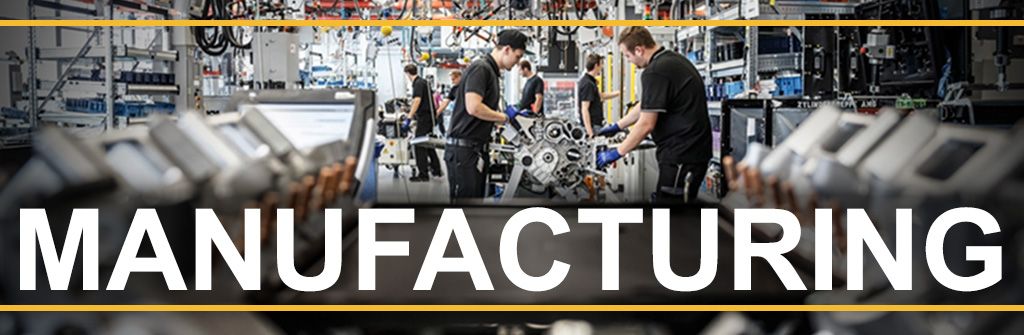
About Manufacturing, Logistics, Warehousing & Production
Manufacturing, logistics, warehousing, and production play a critical role in keeping today’s economy moving. These industries support the creation, storage, movement, and distribution of products used every day—from consumer goods and building materials to medical supplies and industrial equipment. Professionals in these fields help ensure that operations run efficiently, safely, and on schedule.
Work in manufacturing and production environments may include operating equipment, assembling or packaging products, monitoring quality standards, managing inventory, and supporting workflow processes. Logistics and warehousing professionals focus on receiving, storing, organizing, and shipping materials while maintaining accurate records and following safety procedures. Because these operations often rely on teamwork and coordination, clear communication, attention to detail, and reliability are essential skills.
Manufacturing and logistics work is hands-on and can be physically active, involving standing, lifting, operating machinery, or using technology such as scanners and inventory systems. Safety awareness and adherence to procedures are critical, especially when working around equipment, moving materials, or operating in fast-paced environments. For individuals who enjoy structured work, problem-solving, teamwork, and seeing how systems come together to produce real results, manufacturing, logistics, warehousing, and production offer stable, in-demand career opportunities across a wide range of industries.

Examples of Manufacturing Skills
Students develop practical, transferable skills commonly used in manufacturing, production, and industrial environments, including:
- Safe and proper use of common hand tools, power tools, and production equipment
- Workplace safety awareness and best practices in manufacturing settings
- Operating and monitoring basic machinery or production equipment
- Assisting with assembly, fabrication, or packaging processes
- Inspecting products for quality, accuracy, and consistency
- Maintaining clean, organized, and efficient work areas
- Communicating production needs, issues, or updates with supervisors and team members
What Manufacturing
Work Involves
Manufacturing professionals perform a wide variety of tasks that may change throughout the day depending on production needs. Work may take place in factories, warehouses, distribution centers, or industrial facilities. Tasks often involve working as part of a team to support production goals, maintain quality standards, and ensure safe and efficient operations. This variety makes manufacturing an engaging career option for individuals who enjoy hands-on work, structure, and teamwork.
Opportunities in a Manufacturing Career
Manufacturing and production professionals are in strong demand as industries continue to rely on efficient supply chains, domestic production, and advanced manufacturing processes. As companies expand operations and modernize facilities, skilled manufacturing workers play a critical role in maintaining productivity, quality, and operational reliability.
Employers such as manufacturing companies, logistics providers, distribution centers, and industrial operations rely on manufacturing professionals for their adaptability and technical skill sets. Because manufacturing training supports multiple operational functions, individuals may pursue opportunities across production, assembly, quality control, maintenance support, logistics, and warehouse operations.
Potential Career Pathways
With training, experience, and continued skill development, individuals with manufacturing skills may pursue roles such as:
- Manufacturing or Production Technician
- Assembly Technician
- Machine or Equipment Operator
- Warehouse or Logistics Technician
- Quality Control Technician
- Maintenance or Operations Support Technician
- Production Supervisor or Team Lead

Earnings Potential in Manufacturing
Earnings in manufacturing vary based on experience, job responsibilities, employer, and geographic location. Nationally, individuals entering manufacturing and production roles typically begin at entry-level hourly wages, with opportunities for steady wage growth as skills, reliability, and responsibility increase. In South Carolina, starting wages may be slightly lower than the national average, with advancement as workers gain experience in production, assembly, quality control, or equipment operation.
More experienced manufacturing professionals may earn annual salaries ranging from approximately $45,000 to $70,000 or more, depending on role, industry sector, and location. Manufacturing offers a career path where developing technical skills, safety awareness, and teamwork can lead to long-term employment stability and upward mobility within production and operations environments.